Urinal Screens
Urinal screens mount to the wall between urinals to give each user privacy. Match the material and color to your existing stalls so the restroom stays consistent. Shop urinal screens.

info@accessprosupply.com
7 Products
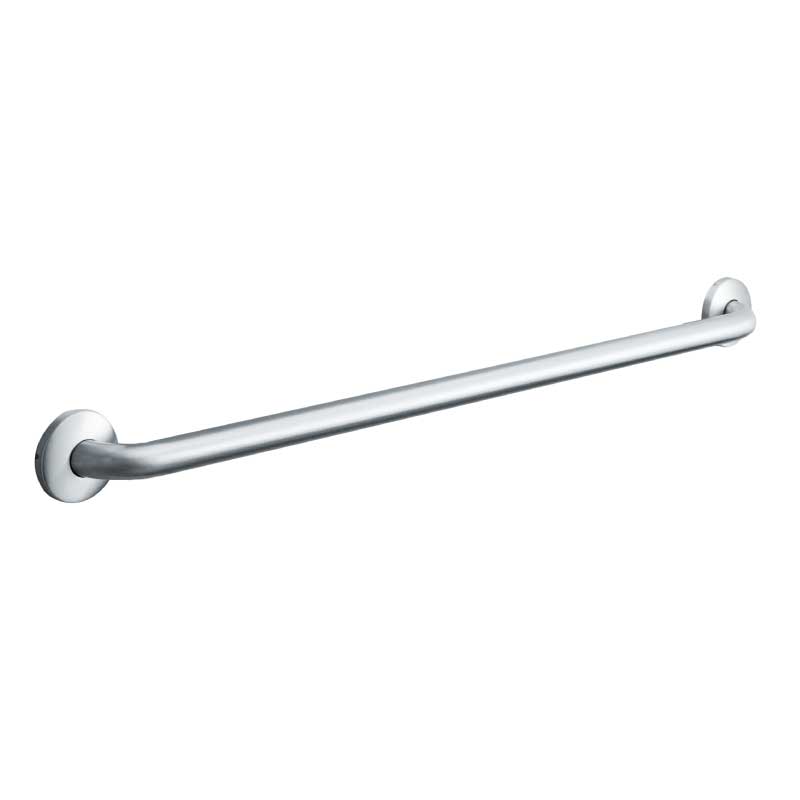


Choose from our wide selection of bathroom grab bars that offer essential support and stability without compromising style.
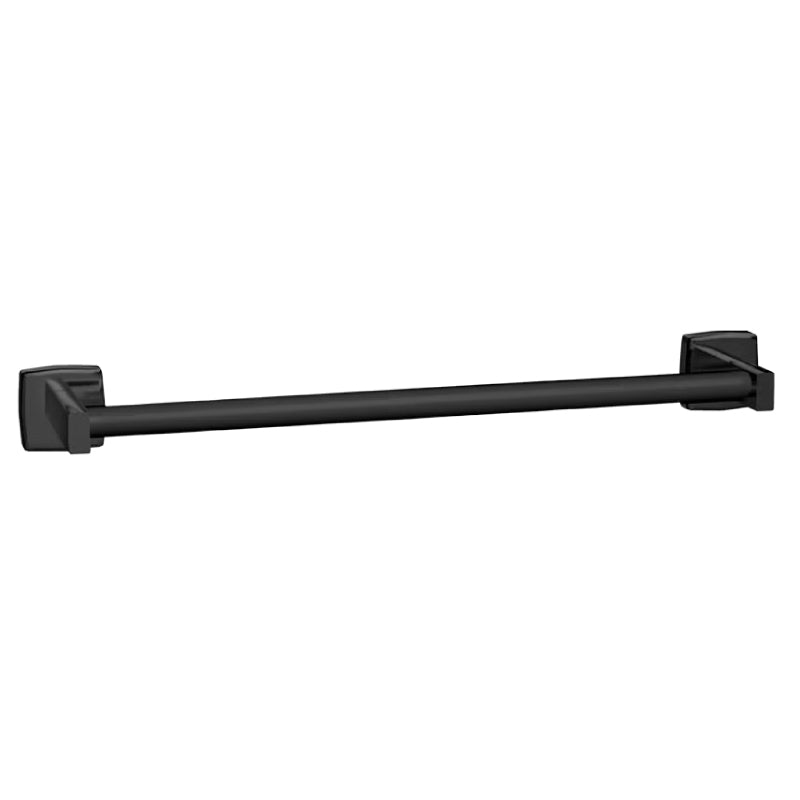
Our ASI 7355-24-41 Towel Bar (Round) and ASI 3800-41 Snap Flange Straight Grab Bar, available in sleek Matte Black Powder Coated finishes, provide the perfect combination of practicality and aesthetics.
With easy surface-mounted installation and robust construction, these grab bars ensure the safety of your occupants, making your bathroom projects stand out.
Elevate accessibility and convenience with the perfect grab bars for your toilets.
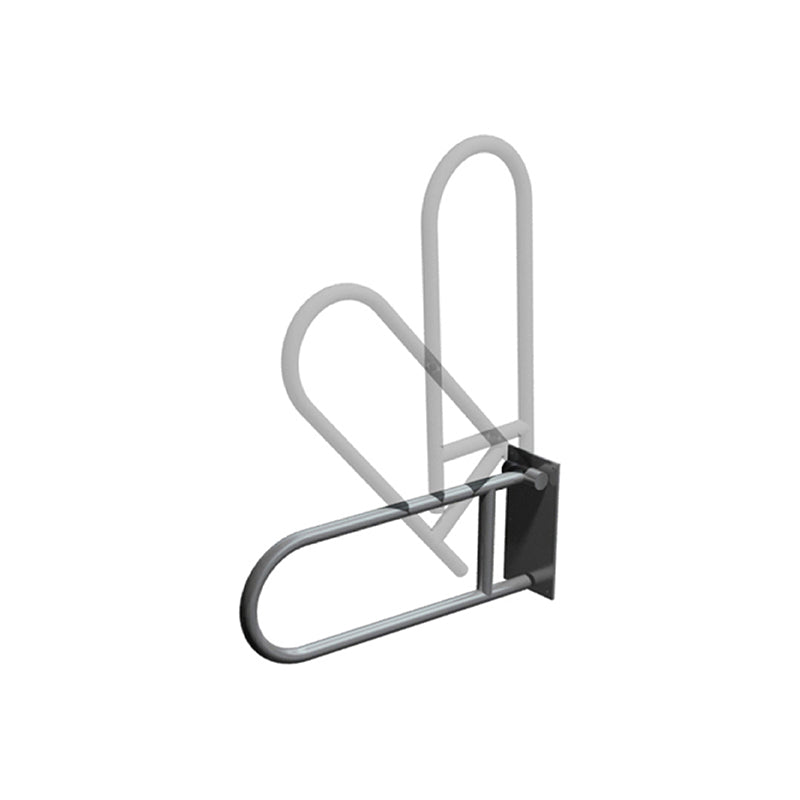
Our collection includes the innovative ASI 3414-25 Swing-Up Grab Bar with Integral Toilet Paper Roll Holder, providing convenient support in a single solution.
The ASI 3413 Exposed Flange (1-1/4" O.D) - Swing Up Grab Bar offers reliability and accessibility. Elevate the functionality of your projects while ensuring the well-being of individuals with limited mobility.


As a specifier or facility manager, finding grab bars that meet safety regulations and enhance the space's aesthetics is crucial. Here’s how you can simplify the selection process.
ASI Grab Bars are designed to meet Accessibility Standards. The meticulous manufacturing process, which includes Heliarc welding and mandrel bending, guarantees uniform bar diameters, resulting in durable and long-lasting grab bars.

We’ve compiled answers to the most commonly asked questions about bathroom grab bars. Whether you are a specifier or facility manager looking to purchase grab bars for your projects or a homeowner prioritizing safety, these answers will shed light on the benefits and considerations of using bathroom grab bars.
Yes, our grab bars are designed with easy installation in mind. They come with mounting hardware and step-by-step instructions, making the installation process hassle-free for your projects.
Absolutely! We understand the importance of aesthetics, so we offer various finishes and sizes to suit different bathroom styles and layouts. Choose matte black or stainless steel options to find the perfect grab bars for your projects.
No, a bathroom grab bar can benefit everyone, regardless of their mobility level. They provide added safety and stability, reducing the risk of slips and falls in the bathroom.
Grab bars can also be helpful for individuals recovering from injuries or surgeries and elderly individuals who may experience balance issues. Installing grab bars in bathrooms is a proactive measure to prevent accidents and promote overall bathroom safety for all users.
Explore our commercial bathroom grab bars and accessories collection to find the perfect fit for your needs and style. Shop now and gain peace of mind, knowing you've chosen high-quality products that prioritize safety and enhance your projects' aesthetic appeal.
Replacing a part keeps a stall working, but it does not tell you whether the restroom meets current ADA requirements. Every restroom with toilet compartments needs at least one wheelchair accessible stall, and restrooms with six or more toilet compartments, or six or more toilets and urinals combined, also need an ambulatory stall. An older layout can fall short even when every door still closes.
Our partition experts review your layout, flag what the accessible stall needs, and quote the complete system, including panels, doors, pilasters, headrails, and hardware sized to your room. Talk to a partition expert.
Partitions are rarely the only thing a restroom project needs. Our experts can quote a complete restroom package in one order, which can cost less than buying each piece separately:
Send us your layout and the fixtures you need, and we will price the whole restroom together. Request a restroom package quote.
Some jobs only need one piece. These items ship by ground and can be ordered online.
Urinal screens mount to the wall between urinals to give each user privacy. Match the material and color to your existing stalls so the restroom stays consistent. Shop urinal screens.
Hinges, latches, strikes and keepers, door pulls, coat hooks, brackets, and pilaster shoes wear out long before the panels do. Check your partition brand and panel thickness before ordering, because most hardware is sized to a specific panel. Shop partition hardware.
Your floor and ceiling decide which commercial bathroom partitions can be installed, so mounting is the first call to make. Most materials come in several mounting styles, but not every restroom can take every style.
The most commonly used style. Pilasters bolt to the floor and run about 80 inches high, rising roughly 12 inches above the doors, where a headrail, typically anodized aluminum with an anti-grip profile, ties the stalls together. It needs no special ceiling construction and suits high-traffic offices, restaurants, and schools. See floor-mounted overhead braced partitions.
Pilasters stand about 70 inches high, flush with the tops of the doors, and anchor about 2 inches into a concrete floor. This style is ideal for bathrooms with low ceilings. It is not the right match for raised or soft floors or for restrooms with heavy traffic. See floor-mounted toilet partitions.
Partitions hang from the ceiling, best suited to ceilings of 8 feet or more, leaving the floor completely clear. That makes floor cleaning easier and pairs well with wall-hung fixtures, but ceiling-hung stalls are better kept out of high-traffic or vandalism-prone restrooms. See ceiling-hung toilet partitions.
Pilasters anchor at both the floor and the ceiling, with the ceiling support tied into the steel structure. This style is built for busy and vandalism-prone restrooms. Plan the layout carefully, because floor-to-ceiling stalls are difficult to adjust once installed. See floor-to-ceiling toilet partitions.

Material sets durability, moisture resistance, fire rating, and budget. Fire ratings below are the listed ratings for each material.
Galvanized steel panels finished with a thermoset hybrid powder coating that resists scuffs and fading. It is Class A fire-rated, comes in a wide range of colors, and is the economical choice for offices and general-use restrooms. Compare powder coated steel partitions.
Laminate gives you a lot of design flexibility at a modest price, which is why it shows up in medical offices, office buildings, and upscale restaurants. It carries a Class C fire rating and belongs in low-traffic, low-moisture restrooms. Compare plastic laminate partitions.
Solid high-density polyethylene with color running through the full panel, so scratches never expose a different color, and the panels never need paint. It resists moisture, mildew, cleaning chemicals, and graffiti, which makes it a common pick for pools, locker rooms, and busy public restrooms. Its listed fire rating is NFPA 286 / B. Compare solid plastic partitions.
Layers of resin-saturated kraft paper fused under heat and pressure, with a black core visible at the edges. It handles moisture, impact, and hose-down cleaning well. Class B is the standard fire rating, with Class A available. Deep scratches show as dark marks, so consider color through phenolic where appearance matters. Compare phenolic black core partitions.
The same compressed phenolic construction with uniform color all the way through, so scratches blend in rather than showing a dark line. Rated Class A for fire, it is among the most vandal-resistant materials we offer, a strong fit for schools, airports, recreation centers, and retail. Compare phenolic color through partitions.
Class A fire-rated stainless steel is a preferred choice for toilet enclosures and suits restrooms with heavy foot traffic and vandalism concerns. Compare stainless steel partitions.

Most projects narrow down to two or three options once you name the condition that matters most. Use this as a starting point, then confirm with our partition experts before ordering.
For a deeper look at how each material wears over time, read our guide on how to select the right bathroom partition material.
Every restroom with toilet compartments needs at least one wheelchair accessible stall, and its size changes the partition layout and the panel sizes you order. Under the 2010 ADA Standards:
Grab bars, door hardware and fixture heights carry their own requirements. Review the U.S. Access Board guide to toilet rooms or our ADA compliance page, and our partition experts will check the accessible stall in your layout before providing a quote.
Partitions are built to your room, so a complete quote request gets you accurate pricing. Gather these before you reach out:
Our guide to bathroom partition prices explains how these choices affect cost.
Send us your layout, and our partition experts will help you choose the material, mounting style, and ADA stall configuration, then price the complete system. Ask about a full restroom package with grab bars, fixtures, dispensers, and hand dryers in the same order.
Talk to a Partition ExpertAnswers to the questions we hear most from facility managers, contractors and specifiers planning a partition project.
Bathroom partitions are grouped by mounting style and by material. The four mounting styles are floor-mounted overhead-braced, floor-mounted, ceiling-hung, and floor-to-ceiling. Common materials are powder coated steel, plastic laminate, solid plastic (HDPE), phenolic, and stainless steel.
No, but it keeps the accessible stall smaller. Toe clearance means at least 9 inches of open space above the floor and 6 inches deep under the partition. Without it under the side partition, the stall must be at least 66 inches wide. Without it under the front partition, it must be at least 62 inches deep with a wall-hung toilet or 65 inches with a floor-mounted toilet.
Solid plastic (HDPE) and phenolic are built for wet areas. Both resist moisture, which is why they are used in pools and other wet areas. Plastic laminate is better kept in dry, low-traffic restrooms.
Stainless steel and phenolic color through are the materials we recommend for high-abuse restrooms. Color through phenolic hides scratches because its color is uniform to the core. Floor-to-ceiling mounting is a durable choice for vandalism-prone restrooms.
Cost depends on the material, the mounting style, the number of stalls and the hardware you choose. Plastic laminate and powder coated steel are the more economical materials, while phenolic and stainless steel cost more upfront. Send your layout to our partition experts for project pricing.
Yes. Urinal screens and partition hardware such as hinges, latches, and brackets are sold online and ship by ground. Complete partition systems, including full-size panels, doors, and pilasters, are quoted by our partition experts.
Yes. Our experts can quote a complete restroom package that includes partitions, grab bars, toilets, urinals, soap dispensers, hand dryers, and towel dispensers in one order.
A toilet partition is made of panels, pilasters, and doors. Overhead braced systems add a headrail, and hardware such as hinges, brackets, and latches holds it together.